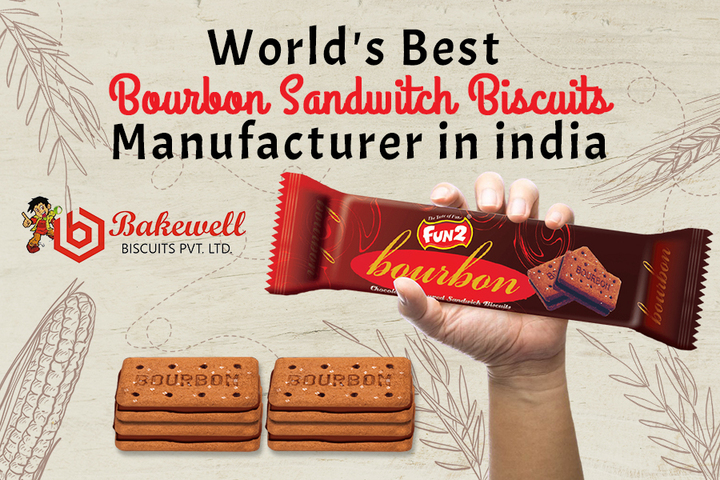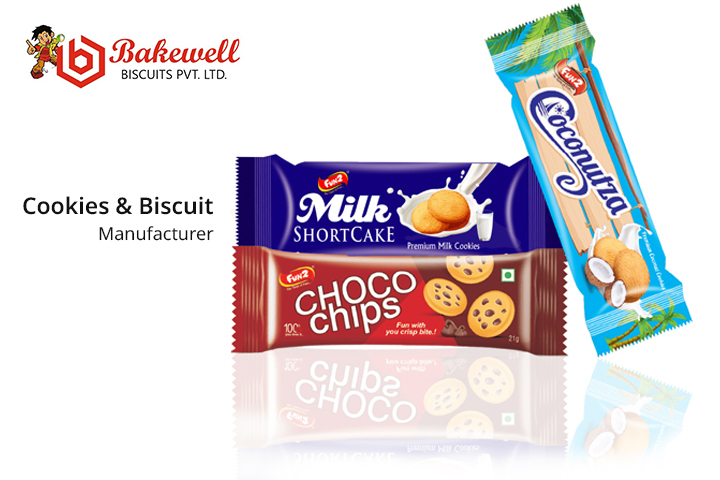

Walk through any biscuit aisle in Mumbai, Kolkata, or Coimbatore and chocolate cream biscuits dominate the shelf space, often outselling plain and salted varieties by a wide margin. Chocolate Cream Biscuits in India have moved well past their old identity as a simple tea-time snack. Vietnamese importers are now placing repeat container orders that would have seemed unlikely a decade ago. This piece looks at what actually separates a well-made batch from an average one, how Indian manufacturers hold their prices down without cutting corners, and why demand from Vietnam keeps climbing month after month.
Chocolate Cream Biscuits in India are produced mainly out of Maharashtra, Gujarat, and Tamil Nadu, using cocoa-based cream sandwiched between two crisp wafers. Export volumes to Southeast Asia have risen steadily as Vietnamese buyers look for a lower-cost, longer-shelf-life alternative to European imports, without giving up on taste, crunch, or consistency.
What Sets Indian Chocolate Cream Biscuits Apart
Indian manufacturers work with a tighter cocoa-to-sugar ratio than most Western producers, which keeps the chocolate flavor upfront without pushing retail prices out of reach for everyday buyers. A standard 100-gram pack typically sells for the equivalent of 15 to 25 US cents domestically, a price point that would be difficult to hit anywhere in Europe.
The wafer itself is baked thinner in most Indian factories than in Southeast Asian or Chinese equivalents, usually between 3 and 4 millimeters per layer. That thinness is deliberate. It gives the biscuit a lighter, more brittle snap rather than the denser, chewier bite common in some regional competitors, and it is one of the first things Vietnamese distributors mention when comparing samples.
Shelf life is another quiet advantage. Properly packaged chocolate cream biscuits from Indian plants routinely carry a 9 to 12-month shelf life, largely thanks to nitrogen-flushed packaging and low residual moisture content kept under 2%. For any importer shipping by sea rather than air, that window matters more than almost any other spec on the data sheet.
Cream Biscuit Manufacturers in India: How the Category Is Structured
The market for Cream Biscuit Manufacturers in India splits fairly cleanly into three tiers, and understanding that split matters for anyone sourcing at volume.
Large Integrated Players
The top tier runs fully automated lines producing anywhere from 20 to 60 tonnes of biscuits per day out of a single facility. These manufacturers control everything from wheat milling to final packaging in-house, which gives them tighter cost control and more consistent batch-to-batch quality, but usually comes with higher minimum order quantities for export buyers.
Mid-Sized Regional Manufacturers
This tier, concentrated heavily around Ahmedabad, Rajkot, and Coimbatore, produces between 2 and 10 tonnes daily and tends to be more flexible on private-label packaging and smaller trial shipments. Many first-time Vietnamese buyers start here precisely because minimum order quantities are lower and communication is faster.
Contract and Job-Work Units
The smallest tier operates on contract, baking for larger brands under white-label arrangements. Quality here varies more than in the other two tiers, so any buyer working with this segment should insist on third-party lab reports before committing to a full container.
Freight terms differ noticeably across these three tiers as well. Large integrated players usually quote FOB from Nhava Sheva or Mundra port with fixed lead times of 20 to 25 days, while mid-sized manufacturers are often more willing to negotiate CIF terms directly to Ho Chi Minh City or Hai Phong, which can simplify customs handling considerably for a first-time importer who has not yet built relationships with a Vietnamese clearing agent.
How Is Vietnam’s Demand for Indian Chocolate Cream Biscuits Growing?
Vietnam’s imports of Indian biscuits, chocolate cream varieties included, have climbed at a double-digit pace over recent years, driven by three overlapping factors rather than any single trend.
Price is the most obvious driver. Landed cost from India typically runs 20 to 35% below equivalent European cream biscuits once freight and duty are factored in, largely because India-ASEAN trade arrangements keep tariffs low on processed food categories like biscuits.
Distribution networks have also matured. Where Indian biscuits once reached Vietnam mainly through Ho Chi Minh City wholesale markets, they now sit on shelves in modern trade chains across Hanoi and Da Nang, a shift that has widened the buyer base from small traders to organized retail chains placing recurring purchase orders.
Taste compatibility plays a genuine role too. The cocoa-forward, moderately sweet profile common in Indian chocolate cream biscuits tends to land well with Vietnamese consumer preferences, which skew less sweet than many Western snack products. Buyers sourcing for Vietnam frequently ask manufacturers to dial sugar content down by 5 to 8% from the standard domestic Indian formulation, a small adjustment that Indian factories accustomed to export work can usually make without reformulating the entire recipe.
Finding the Best Biscuit Company in India for Export Sourcing
Identifying the best biscuit company in India for a given order depends less on brand recognition and more on a handful of concrete, checkable factors that separate reliable exporters from risky ones.
| Factor | What to Check | Why It Matters |
| Certification | FSSAI license, HACCP, ISO 22000 | Required for most customs clearances into Vietnam |
| Minimum Order Quantity | Ranges from 1 to 20 tonnes depending on tier | Determines whether a trial order is realistic |
| Shelf Life on Paper | Should be independently lab-verified, not just claimed | Sea freight to Vietnam takes 7 to 15 days plus port handling |
| Packaging Format | Nitrogen-flushed pouches vs. standard poly packs | Affects moisture retention over long transit |
| Private Label Capability | Confirm minimum run size for custom packaging | Matters for buyers building their own brand in Vietnam |
Manufacturers that can produce a signed Certificate of Analysis for every batch, rather than just a generic spec sheet, are generally the ones worth prioritizing for a first order. That single document tends to reveal more about a factory’s actual quality discipline than any sales pitch.
Quality Control and Export Readiness
Reliable exporters test each production batch for moisture content, peroxide value in the fat used for the cream filling, and microbial load before release, typically holding moisture under 2% and peroxide value below 10 meq/kg to guard against rancidity during a long sea voyage.
Packaging integrity gets tested separately from product quality, and it deserves just as much attention. A biscuit that passes every taste and texture check can still arrive crushed or stale if the outer carton isn’t built for stacking pressure during a multi-week shipment, so buyers should ask specifically about drop-test and compression-test results rather than assuming standard export cartons are automatically adequate.
Traceability has become a stronger requirement over the past two years, with Vietnamese customs increasingly requesting batch-level documentation tying a shipment back to its raw material sourcing, particularly for cocoa and palm oil inputs. Manufacturers who already maintain this paperwork as standard practice tend to clear customs faster and face fewer hold-ups at the port.
Temperature during transit is a factor buyer often overlook until it causes a problem. Chocolate cream fillings begin to soften noticeably above 32°C, which matters on routes that pass through warmer coastal storage before reaching a cooler retail environment. Factories that pack biscuits in insulated secondary cartons, rather than relying on the primary pouch alone, tend to arrive in noticeably better condition after a long sea crossing during the hotter months of the year.
FAQ
What makes chocolate cream biscuits in India different from those made in other countries?
Indian manufacturers typically use a thinner wafer and a tighter cocoa-to-sugar ratio, giving a lighter snap and a bolder chocolate flavor at a lower price point than most European or East Asian equivalents.
How long is the shelf life of exported Indian chocolate cream biscuits?
Properly packaged batches usually carry a 9 to 12-month shelf life, supported by nitrogen-flushed packaging and moisture content kept below 2%, which is sufficient for standard sea freight timelines to Vietnam.
Why is Vietnam importing more chocolate cream biscuits from India?
Lower landed cost, expanding modern trade distribution in cities like Hanoi and Da Nang, and a cocoa-forward taste profile that suits Vietnamese preferences are the three main drivers behind the rise in imports.
What certifications should a Vietnamese buyer ask for before placing an order? \
FSSAI licensing, HACCP compliance, and ISO 22000 certification are the baseline requirements most customs authorities expect, along with a batch-specific Certificate of Analysis rather than a generic product spec sheet.
Can Indian manufacturers adjust sugar content for the Vietnamese market?
Yes. Most export-oriented factories can reduce sugar content by roughly 5 to 8% from the standard domestic formulation without a full recipe overhaul, since the base recipe and process remain largely unchanged.
The gap between an average chocolate cream biscuit and a genuinely export-ready one usually comes down to paperwork as much as taste: batch testing records, packaging test results, and traceable sourcing documents tell a buyer more than any sample box ever will. Anyone sourcing from India for the Vietnamese market would do well to ask for that documentation before the first container is booked, not after.